
High ROI Pre Listing Upgrades Eastside Buyers Love
The best pre-listing upgrades are not always the biggest projects. Often, the smartest improvements are the ones that make a buyer say, “This already fits the way I live.”
That matters on the Eastside, where buyers often compare homes by function as much as finish. A beautiful kitchen helps, of course. So does a great primary suite. But the upgrades that tend to stand out are practical, polished, and easy to understand in the first showing. A quiet work-from-home zone. A usable patio. Updated lighting. Clean hardware. Fresh paint. Better storage. These details help a home feel cared for and current without turning the pre-listing period into a full renovation.
The goal is not to remodel your home for an imaginary perfect buyer. It is to remove friction, highlight the best parts of the property, and show buyers how well the home can support everyday life.
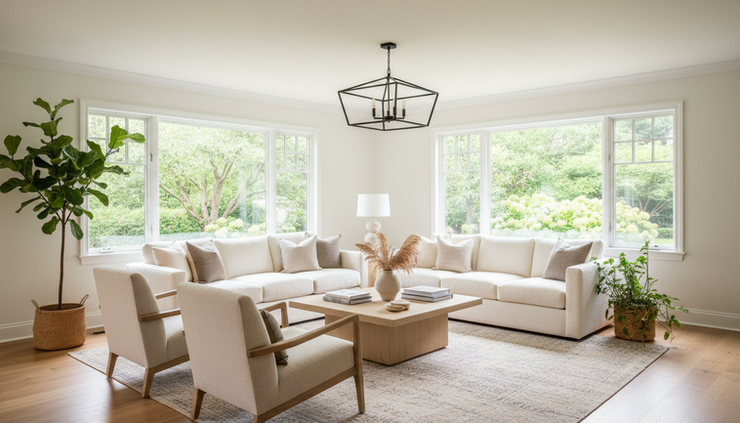
Start with upgrades buyers notice in the first five minutes
A buyer forms an opinion quickly. Before they study the inspection report or calculate commute times, they react to what they see, smell, and feel as they walk through the door.
That is why many high ROI pre-listing upgrades are visual and tactile. They make the home feel cleaner, newer, and easier to move into. They also photograph well, which matters because buyers often decide whether to tour based on listing photos.
Good first-impression upgrades include:
Fresh interior paint in soft, neutral colors
Updated lighting in entryways, kitchens, dining areas, and hallways
Clean or refinished flooring
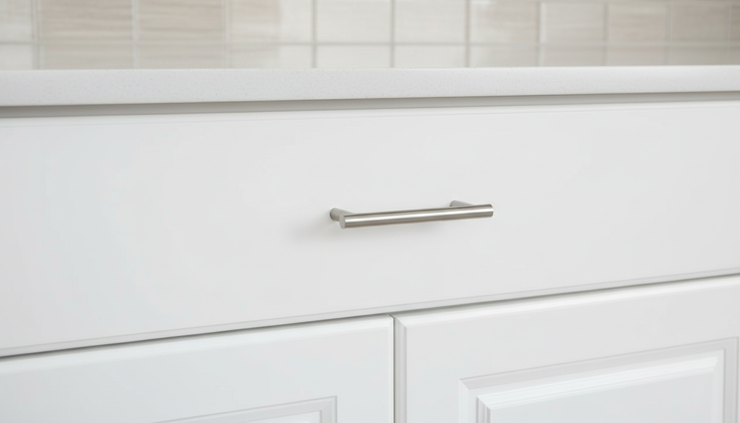
New cabinet hardware
Modern door handles and hinges
A well-maintained front entry
Clean windows and screens
Fresh landscaping near the walkway and porch
None of these changes needs to be flashy. In fact, restraint usually works better. Eastside buyers often respond to homes that feel calm, bright, and well maintained. Overly personal finishes can narrow the pool of interested buyers, while simple updates give more people room to imagine their furniture and routines in the home.
Paint is one of the clearest examples. A dated or bold wall color may not bother the seller, but it can make rooms feel darker or more specific. A fresh, warm white or soft greige can make the same space feel larger and cleaner. It also signals that the home has been prepared with care.
Lighting works the same way. A builder-grade fixture from years ago can date a room even if the rest of the space is in good condition. Swapping in a simple, modern fixture can change the feel of an entry, breakfast nook, or dining room without requiring major construction.
The best test is simple: if a buyer might mentally add it to their “fix after closing” list, consider handling it before listing.
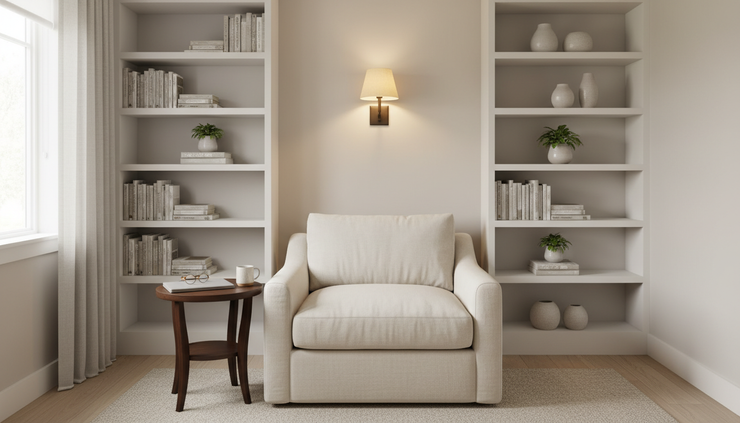
Create a dedicated work-from-home zone
A dedicated workspace has become one of the most useful pre-listing improvements, especially in areas where buyers include tech workers, consultants, entrepreneurs, and hybrid employees. Even when a home does not have a separate office, it can still show a clear place to work.
The key is to make the setup feel intentional. A random table in a corner does not have the same effect as a defined work zone with good light, outlets, storage, and visual separation.
Strong options include:
Converting a small bedroom into a clean study
Styling a loft as a quiet homework and work area
Adding shelves to an unused landing
Turning a finished basement corner into a flexible work zone
Improving lighting and paint in an existing den
Adding a door or privacy feature where practical
Avoid overbuilding. Sellers sometimes assume they need custom cabinetry or expensive built-ins. Those can help in the right home, but a simple, well-staged room often does enough. Buyers need to understand the function at a glance.
A good home workspace should show three things.
First, it should feel quiet. If the room sits near a busy part of the home, use staging to create separation. A rug, bookcase, or clean furniture layout can help define the area.
Second, it should have good lighting. Natural light is a bonus, but task lighting matters too. Replace dim bulbs, add a floor lamp if needed, and make sure the room photographs clearly.
Third, it should not feel cramped. Remove extra furniture. A work zone looks more valuable when it has breathing room.
This is one place where staging can create value even without construction. Buyers do not need to see someone’s actual work setup. They need to see possibility.
Make outdoor living feel ready to use
Outdoor space can be a major selling point, but only if buyers can understand how they would use it. A yard that feels unfinished, cluttered, or hard to maintain may not add as much perceived value as it should.
Eastside buyers often care about outdoor living for several reasons. Homes may offer decks, patios, greenbelts, mature trees, or views. Families may want play space. Entertainers may want seating and dining areas. Pet owners may care about fencing. Remote workers may imagine stepping outside between calls.
The highest-return outdoor upgrades tend to make the space feel accessible and low-friction.
Consider these improvements:
Power-washing decks, patios, and walkways
Repairing loose boards, railings, or pavers
Refreshing mulch and pruning overgrown plants
Adding simple outdoor seating
Defining a dining or lounge area
Updating exterior lighting
Cleaning fire pits, grills, and outdoor kitchens
Replacing tired cushions with neutral, weather-friendly options
A small patio can feel larger when staged with two chairs, a side table, and planters. A deck can feel more inviting with clean boards, warm lighting, and a defined seating layout. A larger yard can benefit from clear zones, such as a dining area, lawn area, and garden edge.
The point is not to create a resort. The point is to answer the buyer’s question before they ask it: “What would I do out here?”
Outdoor lighting deserves special attention. It helps with evening showings and listing photos. It also makes a deck or garden feel safer and more finished. Path lights, refreshed porch fixtures, and subtle string lights can all work when they fit the home’s style.
Do not ignore the front approach. Buyers start judging before they reach the door. Trimmed landscaping, a clean path, updated house numbers, and a freshly painted or cleaned front door can make the whole property feel better cared for.

Update fixtures where they date the home
Fixtures are small details, but buyers read them as clues. Old brass knobs, cloudy vanity lights, worn faucets, and mismatched finishes can make a home feel dated even when the major systems are in good shape.
The good news is that fixture updates are usually more contained than large renovations. They can sharpen the look of kitchens, baths, laundry rooms, and entry spaces without changing the floor plan.
Focus on highly visible items:
Upgrade area | Why it matters | Keep it simple with |
Kitchen hardware | Buyers touch it during showings | Clean pulls in brushed nickel, black, or warm brass |
Bathroom lighting | Old vanity lights date the room quickly | Modern sconces or simple bar lights |
Faucets | Worn finishes suggest age | A clean, current shape that fits the sink |
Door hardware | Mismatched knobs feel neglected | Consistent levers or knobs throughout |
Switch plates | Yellowed plastic stands out | Fresh white plates, installed neatly |
Consistency matters more than trendiness. If the home has warm wood tones and traditional trim, matte black fixtures may feel too stark. If the home is more contemporary, ornate hardware may feel out of place. Choose finishes that look like they belong.
Bathrooms often benefit from this approach. A full bathroom remodel may not be needed before listing, especially if the tile and layout are in good condition. But a new mirror, light fixture, faucet, towel bars, caulk, and paint can make the room feel much fresher.
Kitchens are similar. If cabinets are structurally sound, new hardware and lighting can improve the look without repainting or replacing everything. If the budget allows, updating an old faucet or adding a simple tile backsplash can help, but only when it matches the overall quality of the home.
One caution: avoid starting a partial update that makes the untouched areas look worse. A brand-new modern faucet next to a badly stained sink, for example, may draw attention to the sink. Look at each room as a whole before choosing the upgrade.
Remove buyer objections before they become negotiation points
Some pre-listing work is not glamorous, but it can protect momentum. Buyers may love the photos and floor plan, then hesitate when they see small maintenance issues everywhere. Those issues can create doubt about how well the home has been cared for.
Before listing, walk through the home with fresh eyes. Better yet, ask someone who does not live there to do it. Look for issues that might not ruin a showing but could create a negative pattern.
Common friction points include:
Scuffed walls and baseboards
Loose handrails
Doors that stick
Burned-out bulbs
Dripping faucets
Slow drains
Cracked caulk
Damaged screens
Worn weatherstripping
Stained carpet
Pet odors
Garage clutter
These details matter because buyers often connect small visible problems to larger hidden ones. A loose doorknob does not mean the roof has issues, but it can still plant doubt.
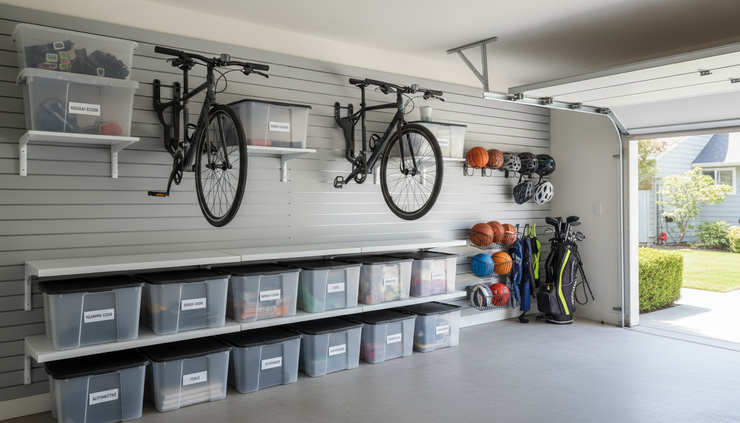
The garage is another underrated area. Many buyers on the Eastside value storage for bikes, outdoor gear, tools, seasonal items, and sports equipment. A clean garage with visible wall storage or organized shelving can make the home feel more functional. It does not need to look empty, but it should look usable.
The same goes for closets. Overstuffed closets tell buyers storage is limited. Editing them down before listing can make the home feel larger without adding a square foot.
If there are known repair issues, talk with a qualified real estate professional before deciding what to fix. Some repairs are worth handling upfront. Others may be better disclosed and priced accordingly. This article is general information, not financial or legal advice, and local market guidance matters.
Choose upgrades based on likely return, not personal preference
The highest-ROI upgrades usually share a few traits. They are visible, broadly appealing, and connected to the way buyers live. They also match the price point of the home.
A luxury home may justify better lighting, premium landscaping refreshes, and more polished outdoor entertaining areas. A modest home may get stronger results from paint, cleaning, repairs, and simple fixture updates. The right scope depends on the property.
A practical decision filter can help.
Ask these questions before approving any project:
Will buyers notice this in photos or during the first showing?
Does this solve a common objection?
Does this make the home feel cleaner, newer, or easier to live in?
Is the style neutral enough for most buyers?
Can the work be completed well before listing?
Will the upgrade make nearby untouched areas look dated?
Is the cost reasonable for the expected listing price?
This filter helps prevent overspending. Sellers sometimes sink money into personal favorites, such as bold tile, custom paint colors, or specialty landscaping, then find that buyers prefer something simpler. Pre-listing upgrades should support the sale, not express the seller’s dream design.
Here is a simple way to think about priority:
Best first moves | Consider if budget allows | Be careful with |
Paint, cleaning, repairs, lighting, hardware | Outdoor staging, bathroom refreshes, closet systems, garage storage | Major remodels, niche finishes, expensive custom features |
Major projects can make sense when the home has a clear weakness that buyers will not overlook. An unusable deck, badly damaged flooring, or a severely dated primary bathroom may need more than cosmetic help. But many homes need polish more than transformation.
Timing also matters. Rushed work can hurt more than it helps. Poor paint lines, crooked fixtures, or unfinished repairs tell buyers the seller scrambled. If a project cannot be done well before photos, it may be better to choose a smaller improvement and execute it cleanly.
The smartest upgrades make the home feel easy to say yes to
Pre-listing improvements should reduce doubt. They should make the home feel cared for, current, and ready for real life. On the Eastside, that often means highlighting flexible space, remote-work function, outdoor living, clean finishes, and practical storage.
Start with the basics buyers notice right away. Freshen paint. Improve lighting. Clean and repair. Then look for lifestyle upgrades that fit the property, such as a dedicated work zone, a staged patio, or better garage organization.
The best results come from choosing improvements with discipline. Spend where buyers will see and feel the difference. Skip upgrades that are too personal, too rushed, or too expensive for the likely return. A home does not need to be perfect to sell well, but it should make the next owner’s life feel easy from the first tour.


Comments